
Mitochondrial Dysfunction and Neuropsychiatric Disorders
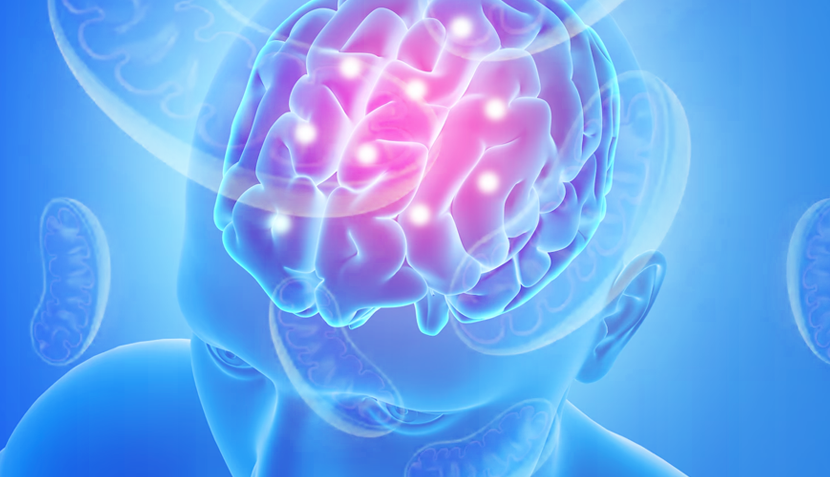
Mitochondrial dysfunction has been linked as a central contributor to the pathophysiology of major neuropsychiatric disorders, including schizophrenia, bipolar disorder, and major depressive disorder (MDD). This connection is grounded in the essential roles mitochondria play in neuronal energy production, calcium buffering, and reactive oxygen species (ROS) regulation—processes critical for maintaining synaptic function and neural circuit integrity. Mitochondrial dysfunction can trigger neuroinflammation via proinflammatory cytokine release and disrupt neurotransmitter systems (e.g., dopaminergic, glutamatergic), creating a vicious cycle that exacerbates psychiatric symptoms.
The connection between mitochondrial dysfunction and psychiatric disorders is one of the most significant paradigm shifts in modern psychiatry. It moves beyond the “chemical imbalance” model to a new “bioenergetic and metabolic” model of mental illness.
The Core Connection: The Brain is an Energy Hog
The brain represents only 2% of body weight but consumes approximately 20% of the body’s total energy. Neurons are among the most energy-demanding cells in the body. They need vast amounts of ATP (cellular energy) to:
- Maintain electrical gradients for firing.
- Release and recycle neurotransmitters.
- Support synaptic plasticity (the basis of learning and memory).
- Fuel axonal transport (shipping materials down long nerve fibers).
Mitochondria are the sole source of this ATP. When they falter, the brain’s most active regions—like the prefrontal cortex (for decision-making) and the limbic system (for emotion)—are hit first and hardest.
Mitochondrial Dysfunction Directly Impacts Brain Function
- The Energy Crisis Hypothesis:
- What happens: Mitochondria produce insufficient ATP.
- Brain impact: Neurons can’t maintain their proper signaling. Synapses weaken, neural networks become inefficient, and cellular maintenance is neglected. This manifests as fatigue, brain fog, slow processing speed, and cognitive deficits—core symptoms across depression, schizophrenia, bipolar disorder, among other neuropsychiatric conditions.
- The Oxidative Stress & Inflammation Firestorm:
- What happens: Dysfunctional mitochondria leak excessive Reactive Oxygen Species (ROS) – dynamic, toxic free radicals.
- Brain impact: ROS damages neuronal lipids, proteins, and DNA. This triggers neuroinflammation (activation of the brain’s immune cells, microglia). Chronic inflammation is now a well-established driver of depressive and psychotic symptoms. It’s a vicious cycle; inflammation damages mitochondria, and damaged mitochondria create more inflammation.
- Calcium Dysregulation and Excitotoxicity:
- What happens: Mitochondria help buffer calcium within neurons. When impaired, calcium levels rise uncontrollably.
- Brain impact: Excess calcium over-activates neurons, leading to excitotoxicity—a process where neurons fire themselves to death. This is particularly implicated in the neuronal damage seen in bipolar disorder and schizophrenia.
- Impaired Neuroplasticity and Neurogenesis:
- What happens: Building new neural connections and even growing new neurons (in the hippocampus) requires massive energy and building blocks.
- Brain impact: Mitochondrial dysfunction starves these processes. Reduced Brain-Derived Neurotrophic Factor (BDNF), a key growth factor, is common in depression and is closely linked to mitochondrial health. This impairs the brain’s ability to adapt, learn, and recover from stress.
Mitochondrial Dysfunction Linking It to Specific Disorders
- Depression & Bipolar Disorder:
- Patients show reduced mitochondrial respiration and lower ATP levels in blood cells and brain scans.
- Markers of oxidative stress are consistently elevated.
- Lithium and valproate (key mood stabilizers) have been found to boost mitochondrial function and biogenesis (creation of new mitochondria), which may be central to their therapeutic effect.
- Schizophrenia:
- Post-mortem brains show altered mitochondrial structure in cortical neurons.
- Genetic studies find risk variants in genes related to mitochondrial function and antioxidant defense.
- The cognitive deficits and negative symptoms (apathy, social withdrawal) are strongly correlated with biomarkers of energy deficit.
- Anxiety Disorders:
- Dysfunction in the amygdala (the fear center) may be linked to its high energy demands for constant threat assessment. An energy-starved amygdala may become dysregulated and hyper-reactive.
- Autism Spectrum Disorder (ASD):
- A recognized subset of ASD is linked to clear mitochondrial disease.
- Many with ASD show metabolic abnormalities consistent with mitochondrial impairment, especially during periods of developmental regression.
Why Does Mitochondrial Dysfunction Occur in These Disorders?
It’s a perfect storm of genetic vulnerability and environmental triggers:
The Ripple Effect: Consequences of Mitochondrial Fatigue
- Genetics: Variations in both nuclear DNA (which houses most mitochondrial proteins) and mitochondrial DNA itself can create inherent weaknesses.
- Environmental Stressors: Chronic psychological stress, poor diet, sleep deprivation, toxins, and infections all increase cellular demand and damage mitochondria.
- Medications: Some psychiatric drugs can have side effects that impact mitochondrial function, potentially contributing to long-term metabolic issues.