
Mitochondrial Dysfunction and Neurodevelopmental Disorders
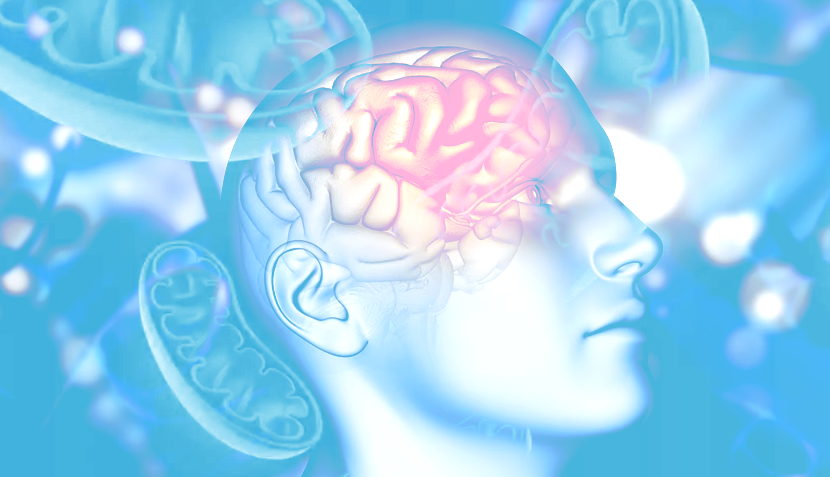
- Disrupted mitochondrial dynamics (fusion/fission imbalance)
- Impaired mitophagy and quality control
- Oxidative stress
- Calcium dysregulation
- Mitochondrial DNA mutations
- Respiratory chain complex deficiencies.
These pathological processes converge to impair neural stem cell proliferation, neuronal differentiation, synaptic development, and network formation.
The clinical implications are substantial, with emerging therapeutic strategies targeting mitochondrial pathways showing promise. These include antioxidants, metabolic modulators, gene-specific approaches, and mitochondrial transplantation. Early identification of mitochondrial biomarkers may enable precision medicine interventions to improve outcomes for affected individuals.
Scope of Neurodevelopmental Disorders
Neurodevelopmental disorders represent a heterogeneous group of conditions characterized by early-onset disturbances in brain development, affecting cognition, communication, behavior, and motor function.
The Mitochondrial Paradigm in Neurodevelopment
Mitochondria are semiautonomous organelles with multifaceted functions extending far beyond ATP production. They serve as critical regulators of calcium homeostasis, reactive oxygen species (ROS) signaling, programmed cell death, and metabolic integration. The developing brain’s reliance on mitochondrial function is particularly pronounced during critical windows of neural proliferation, migration, differentiation, and synaptogenesis.
Recent advances have positioned mitochondrial dysfunction as a unifying pathogenic mechanism across seemingly disparate NDDs.
Mitochondrial Biology in Brain Development and the Bioenergetic Demands of a Developing Brain
The human brain consumes approximately 20% of total body oxygen despite accounting for only 2% of body weight, with mitochondria supplying 93% of the ATP necessary for normal brain function. This energy supports numerous developmentally critical processes:
- Ion gradient maintenance for resting and action potentials
- Synaptic vesicle recycling for neurotransmitter release
- Axonal and dendritic transport of organelles and proteins
- Cytoskeletal dynamics during neuronal migration
- Macromolecular synthesis for cell growth and differentiation
During embryonic and early postnatal development, energy requirements fluctuate dynamically as neural progenitors transition from proliferation to differentiation.
Mitochondria are highly dynamic organelles that undergo continuous fusion and fission to adapt to cellular energy demands. These processes are particularly critical in neurons, where mitochondria must be distributed across extensive axonal and dendritic arbors.
Clinical Manifestations Across Neurodevelopmental Disorders
Autism Spectrum Disorder
ASD affects approximately 1 in 36 children globally, with prevalence increasing dramatically in recent decades. Mitochondrial dysfunction has been documented in 30-50% of children with ASD, though estimates vary depending on diagnostic criteria and ascertainment methods.
Biochemical evidence includes:
- Elevated lactate levels
- Abnormal carnitine profiles
- Increased oxidative stress markers
- Reduced glutathione levels
- Decreased ETC complex activities
A systematic review and meta-analysis by Frye et al. (2024) confirmed biomarkers of mitochondrial dysfunction in ASD, supporting the concept that mitochondrial abnormalities are common in this population.
Attention-Deficit/Hyperactivity Disorder
ADHD has been associated with cognitive deficits linked to mitochondrial dysfunction and oxidative stress..Cerebral Folate Deficiency and Mitochondrial Connections
The folate receptor autoantibody story connects to mitochondrial function through one-carbon metabolism. The mitochondrial enzyme MTHFD1L synthesizes formate during folate-dependent one-carbon metabolism, and mutations in this gene cause neural tube defects. This illustrates how mitochondrial metabolic pathways intersect with folate-mediated developmental processes.
Rett Syndrome
Rett syndrome, caused by MECP2 mutations, demonstrates pronounced defects in mitophagy in animal models. Induced pluripotent stem cell (iPSC) models derived from Rett syndrome patients show impaired mitochondrial dynamics and heightened vulnerability to oxidative injury, suggesting defective mitochondrial homeostasis contributes to pathogenesis.
Epileptic Encephalopathies
Early-onset epileptic encephalopathies, including Ohtahara syndrome and West syndrome, have been linked to mitochondrial dysfunction. FOXRED1 mutations cause infantile mitochondrial encephalopathy with refractory seizures and developmental regression.
Intellectual Disability
Mitochondrial dysfunction frequently underlies intellectual disability, whether as part of syndromic disorders or as an isolated finding. Both primary mitochondrial diseases and secondary mitochondrial dysfunction contribute to cognitive impairment through disrupted energy supply, impaired synaptic plasticity, and altered neuronal development.
Testing:
MitoSwabTM allows for the analysis of the electron transport chain. With a simple swab of the cheek, this easy-to-use test will give detailed information for:
Upon analysis of the report, trained physicians may be able to guide patients to appropriate therapies. Identifying early biomarkers such as mitochondrial impairment is crucial for precision medicine, enabling clinicians to tailor interventions to individual patient profiles and improve prognoses.
Therapeutic Strategies Targeting Mitochondria
Antioxidant Approaches
Given the central role of oxidative stress, antioxidant therapies have been explored:
- Coenzyme Q10: ETC component with antioxidant properties
- Vitamin E: Lipid-soluble antioxidant
- Vitamin C: Aqueous-phase antioxidant
- N-acetylcysteine: Glutathione precursor
- Alpha-lipoic acid: Mitochondrial antioxidant
Metabolic Modulation
Strategies to enhance mitochondrial function include:
- Mitochondrial biogenesis activators: PPAR agonists, AMPK activators
- NAD+ precursors: Niacin (nicotinic acid) restored the NAD+/NADH ratio in FOXRED1 mutant cells and reduced blood lactate in affected patients
- Ketogenic diet: Provides an alternative fuel source, reduces oxidative stress
- Folinic acid: In folate receptor autoantibody-positive individuals, high-dose folinic acid bypasses blocked transport and may improve mitochondrial one-carbon metabolism.
Gut-Brain Axis Modulation
Emerging evidence suggests that microbiome-based interventions may influence mitochondrial function through metabolite production, immune modulation, and inflammation reduction.
Integrated Treatment Approaches
Combining mitochondria-targeted strategies with established therapies—such as behavioral interventions, speech therapy, and educational support—may enhance treatment efficacy and yield better clinical outcomes.
Mitochondrial homeostasis represents a unifying therapeutic axis within neurodevelopmental pathophysiology. The integration of mitochondrial assessments into routine clinical care—including the folate receptor autoantibody test may enable identification of treatable subtypes within heterogeneous NDD populations, moving the field toward personalized interventions targeting core pathophysiological mechanisms.