
The Mitochondria, Master of Cellular Energy
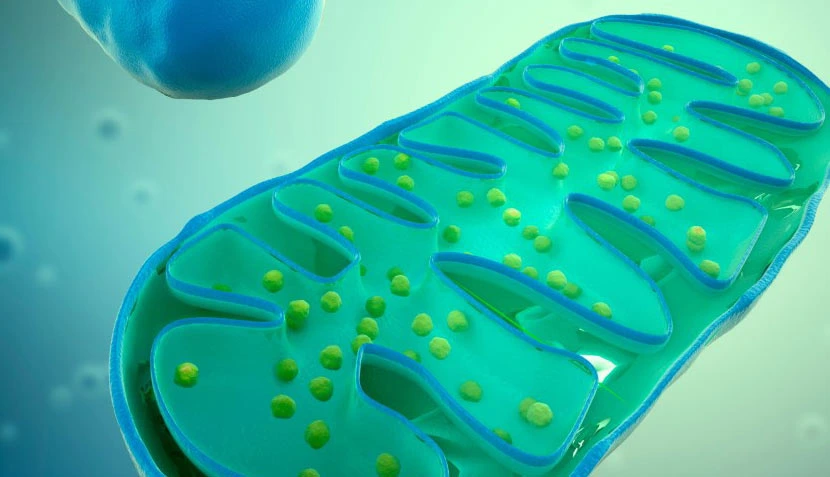
The Engine of Life
Cellular Architects of Vitality
Your body’s energy demands are met by a vast internal network of mitochondria, numbering in the trillions. Their concentration within a cell—ranging from a hundred to several thousand—directly reflects that cell’s specific energy needs. A testament to their unique evolutionary origin, each mitochondrion possesses its own distinct genome (mtDNA), allowing it to replicate independently to meet rising energy demands. Modern scientific consensus underscores a pivotal connection: the density, health, and efficiency of your mitochondrial network are fundamental determinants of your overall vitality, wellness, and
longevity.
Far more than simple energy converters, mitochondria are sophisticated command centers integral to cellular integrity. Their critical roles extend to:
- Orchestrating cellular signaling and communication
- Regulating metabolic processes
- Managing the natural cycle of cell growth, division, and programmed renewal (apoptosis)
- Bolstering the body’s defensive systems
The Energy Production Line: A Masterpiece of Biological Engineering
The transformation of nutrients from food into usable cellular energy, known as cellular respiration, is a precise, multi-stage operation housed within the mitochondria. The culminating and most critical phase occurs along the Electron Transport Chain (ETC), a series of five specialized protein complexes (I-V) embedded in the inner mitochondrial membrane.
Here, electrons derived from nutrients are passed sequentially through these complexes, powering the movement of protons to create an electrochemical gradient.
This stored potential energy is finally harnessed by ATP synthase (Complex V) to phosphorylate ADP, producing Adenosine Triphosphate (ATP)—the universal molecular fuel that powers every cellular function. This elegant, continuous process is the very foundation of your metabolic vitality.
Understanding Mitochondrial Stress
The immense benefit of mitochondrial energy production comes with an inherent cost. As a natural byproduct of the ETC’s oxidative reactions, mitochondria are the primary site of reactive oxygen species (ROS) generation. While low levels play signaling roles, excess ROS creates oxidative stress. Mitochondrial DNA, due to its proximity to the source and limited repair mechanisms, is exceptionally vulnerable to this damage. Over time, cumulative oxidative stress can impair mitochondrial replication, reduce ETC efficiency, and diminish overall cellular energy output—a key factor in the natural aging process and declining resilience.
The Ripple Effect: Consequences of Mitochondrial Fatigue
When mitochondria falter, cells experience an energy crisis. This foundational deficit can manifest systemically, affecting the organs and tissues with the highest energy demands first. A growing body of research highlights that mitochondrial dysfunction is a common thread linking a spectrum of health challenges, underscoring why supporting mitochondrial health is a proactive cornerstone of holistic wellness.
Investing in Your Foundational Biology
Understanding the mitochondria illuminates the profound truth that lasting energy and health begin at the cellular level. Find out about your mitochondrial health today with MitoSwab™.