
Mitochondrial Dysfunction in Neurodegenerative Disorders
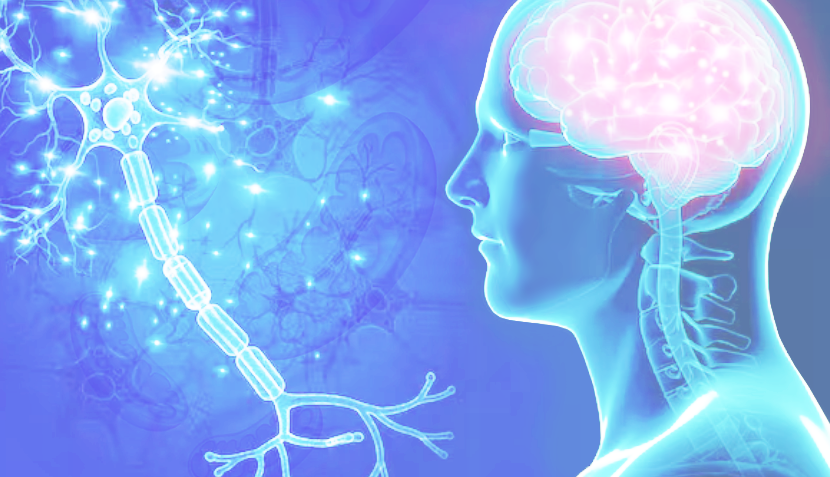
Mitochondrial dysfunction is a central pathogenic mechanism in major neurodegenerative disorders, including Alzheimer’s disease (AD), Parkinson’s disease (PD), Huntington’s disease (HD), and amyotrophic lateral sclerosis (ALS). This connection arises because neurons are exceptionally dependent on mitochondrial ATP production for energy, calcium buffering, and regulation of reactive oxygen species (ROS). In these diseases, evidence reveals consistent impairments such as deficits in oxidative phosphorylation (OXPHOS), elevated oxidative stress, mtDNA mutations, and disrupted mitochondrial dynamics (fission/fusion) and quality control via mitophagy. Critically, mitochondrial dysfunction occurs early and acts causally, not merely as a downstream consequence.
Mitochondrial dysfunction has emerged as a unifying pathogenic mechanism in neurodegenerative disorders, fundamentally reshaping our understanding of diseases such as Alzheimer’s, Parkinson’s, Huntington’s, and amyotrophic lateral sclerosis. Mitochondrial impairment is not merely a downstream consequence of neurodegeneration but rather an initiating trigger and critical amplifier of disease pathology.
The remarkable energy demands of neurons, combined with their unique architecture, render them exquisitely vulnerable to mitochondrial failure across multiple interconnected domains: bioenergetic collapse, oxidative stress, disrupted calcium homeostasis, impaired mitochondrial dynamics, defective mitophagy, and reciprocal toxic interactions with disease-specific protein aggregates. This mechanistic integration explains the striking convergence of pathological features across clinically distinct disorders and identifies novel therapeutic opportunities targeting mitochondrial pathways.
The recent advancement of mitochondrial-based therapies into clinical trials represents a paradigm shift from symptomatic management toward true disease modification, offering unprecedented hope for millions affected by these devastating conditions.
The Mitochondrial Paradigm in Neurodegeneration
Neurodegenerative disorders—including Alzheimer’s disease (AD), Parkinson’s disease (PD), Huntington’s disease (HD), and amyotrophic lateral sclerosis (ALS)—represent one of the greatest challenges in modern medicine. Despite their distinct clinical presentations, these conditions share a common pathological feature: significant mitochondrial dysfunction that both precedes and accelerates neuronal death. This observation has catalyzed a fundamental reassessment of mitochondria’s role in neurodegeneration.
The prevalence of these disorders escalates markedly with age, and as global life expectancy continues to rise, the societal and economic burden will grow substantially. Traditional therapeutic approaches have focused on symptom management or targeting protein aggregates, yet disease-modifying treatments remain frustratingly elusive. The recognition that mitochondrial dysfunction operates as both an upstream initiator and a downstream amplifier of pathology offers a unifying framework for understanding disease progression and developing rational therapeutic interventions.
Neurons Are Uniquely Vulnerable to Mitochondrial Failure
The brain constitutes only 2% of body mass yet consumes approximately 20% of the body’s oxygen, reflecting its extraordinary dependence on mitochondrial oxidative phosphorylation (OXPHOS) for adenosine triphosphate (ATP) production. This metabolic profile sets neurons apart from other cell types.
Neurons possess extensive dendritic arbors and axons that can extend great distances. This unique architecture requires continuous ATP production to maintain:
- Ion gradients across vast membrane surfaces via Na⁺/K⁺-ATPase
- Synaptic transmission, including neurotransmitter synthesis, vesicle cycling, and postsynaptic receptor function
- Axonal transport of organelles, proteins, and vesicles along microtubule tracks
- Cytoskeletal dynamics underlying plasticity and structural maintenance
Unlike peripheral tissues that can upregulate glycolytic ATP production when oxidative metabolism falters, neurons possess limited capacity for metabolic compensation. Their reliance on aerobic metabolism creates an inherent vulnerability: when mitochondrial function declines, energy-dependent processes collapse sequentially, rendering neurons dysfunctional well before cell death occurs.
Bioenergetic Vulnerability Cascade
Research from disease models consistently demonstrates that bioenergetic failure precedes observable neuronal loss, suggesting that energy deprivation acts as an initiating factor rather than a secondary effect. This temporal sequence carries profound therapeutic implications: interventions that preserve mitochondrial function early in disease course may prevent or delay the cascade of events leading to irreversible neuronal injury.
Interconnected Pathways of Mitochondrial Dysfunction
Mitochondrial failure in neurodegeneration operates through multiple interconnected mechanisms that do not function independently but rather interact to create emergent properties exceeding the sum of individual deficits. Understanding these interactions is essential for developing effective therapies.
Bioenergetic Failure and Oxidative Stress
The electron transport chain (ETC), comprising complexes I–IV embedded in the inner mitochondrial membrane, drives OXPHOS by transferring electrons to molecular oxygen while pumping protons to generate the electrochemical gradient harnessed by complex V (ATP synthase) for ATP production.
In neurodegenerative diseases, deficiencies in specific ETC complexes have been consistently documented. Complex I and complex IV activity are significantly reduced in affected neurons, leading to substantial ATP depletion. The consequences extend beyond simple metabolic insufficiency.
Reactive Oxygen Species (ROS) Generation
The compromised electron transport system paradoxically increases reactive oxygen species (ROS) production while decreasing ATP synthesis. Under physiological conditions, approximately 0.2–2% of electrons in the ETC react prematurely with oxygen, producing superoxide and hydrogen peroxide. When the ETC is impaired, this fraction increases substantially. Eleven specific sites of ROS production linked to substrate oxidation and electron transport have been identified in mammalian mitochondria, with complex I serving as a major source.
Self-Perpetuating Oxidative Damage: The generated ROS damage mitochondrial components, including:
- ETC proteins, further impairing electron flow
- Mitochondrial DNA (mtDNA), which lacks protective histones and efficient repair mechanisms
- Cardiolipin, a phospholipid critical for maintaining ETC supercomplex organization
- Mitochondrial membranes, compromising integrity and ion homeostasis
This creates a vicious cycle: oxidative damage exacerbates OXPHOS impairment, which further increases ROS generation, establishing self-reinforcing pathological progression.
Mitochondrial DNA: A Vulnerable Target
Mitochondrial DNA occupies an unusually vulnerable position within the cell. Several factors render mtDNA considerably more susceptible to oxidative damage than nuclear DNA.
- Proximity to ROS source: mtDNA lies adjacent to the inner mitochondrial membrane, where ETC complexes generate ROS
- Lack of protective histones: Unlike nuclear DNA, mtDNA is not wrapped in protective histone proteins
- Limited repair capacity: Mitochondria possess less robust DNA repair mechanisms
- High copy number and heteroplasmy: Cells contain hundreds to thousands of mtDNA copies; mutations may accumulate to pathogenic thresholds
Mutations in mtDNA compromise ETC function, further increasing ROS production and damaging additional mtDNA molecules—another self-reinforcing pathological cycle.
The threshold effect, whereby biochemical defects manifest only when mutant mtDNA exceeds a certain proportion, may explain the age-dependent emergence of neurodegenerative symptoms.
Calcium Dysregulation and the Mitochondrial Permeability Transition Pore
Mitochondria serve as critical regulators of intracellular calcium homeostasis, a function intimately linked to their role in neuronal signaling and survival.
The system operates through refined kinetic asymmetry: mitochondria rapidly accumulate Ca²⁺ via the mitochondrial calcium uniporter (MCU) when cytosolic levels increase during neuronal activity. Release occurs through a Na⁺/Ca²⁺ exchanger operating at much slower kinetics. This temporal difference enables mitochondria to function as dynamic buffers, preventing calcium overload while shaping signaling dynamics.
Physiological Roles of Mitochondrial Calcium: Intramitochondrial calcium serves multiple essential functions:
- Stimulating matrix dehydrogenases to enhance ATP synthesis
- Influencing synaptic transmission and plasticity
- Regulating organellar trafficking
- Initiating nuclear signaling cascades
- Establishing the threshold for pro-apoptotic factor release
When mitochondrial dysfunction impairs calcium buffering capacity, or when excitotoxic stimulation overwhelms uptake mechanisms, calcium overload triggers opening of the mitochondrial permeability transition pore (mPTP). This non-specific channel in the inner mitochondrial membrane, when opened, causes:
- Collapse of the proton motive force, halting ATP synthesis
- Mitochondrial swelling and outer membrane rupture
- Release of pro-apoptotic factors including cytochrome c and apoptosis-inducing factor
- Activation of inflammatory pathways through mtDNA release into the cytosol
The mPTP is now recognized as a well-established driver of mitochondrial dysfunction, inflammation, and neuronal death in neurodegenerative disorders. Its opening represents a point of no return in the cell death cascade, making it an attractive therapeutic target.
Disrupted Mitochondrial Dynamics: Fission, Fusion, and Trafficking
Mitochondria are not static organelles but undergo continuous fusion and fission that profoundly influence their function, distribution, and quality control.
Fusion (joining mitochondria) enables content mixing, dilution of damaged components, and electrical connectivity. Key mediators include MFN1 and MFN2 (mitofusins) for outer membrane fusion and OPA1 for inner membrane fusion.
Fission (division) generates new mitochondria, facilitates transport, and enables the removal of damaged segments by mitophagy. The primary fission mediator is Drp1 (dynamin-related protein 1), which oligomerizes around mitochondria to constrict and divide them.
In neurodegenerative diseases, the delicate balance between fusion and fission is disrupted, typically shifting toward excessive, unregulated fragmentation. This fragmentation:
- Impairs mitochondrial respiratory efficiency
- Increases ROS production
- Compromises calcium buffering capacity
- Disrupts axonal transport of mitochondria to energy-demanding sites like synapses and nodes of Ranvier
Defective Mitophagy: Failure of Mitochondrial Quality Control
Mitophagy—the selective autophagic elimination of damaged mitochondria—represents the cell’s primary quality control mechanism for maintaining a healthy mitochondrial network. This process is particularly critical in neurons, where mitochondrial dysfunction would otherwise accumulate over decades.
Mitophagy Failure in Sporadic Disease:
Mitochondria Promote Protein Aggregation
Mitochondrial stress—particularly increased ROS and disrupted calcium—can promote production, misfolding, and aggregation of proteins including amyloid-β, tau, α-synuclein, and TDP-43. Oxidative modifications of these proteins may enhance their aggregation propensity.
Conversely, pathological proteins directly impair mitochondrial function through multiple mechanisms:
- Amyloid-β enters mitochondria via the translocase of the outer membrane (TOM) complex, where it inhibits complex IV activity and induces ROS production
- Phosphorylated tau disrupts mitochondrial axonal transport, depriving distal synapses of energy
- α-Synuclein interacts with mitochondrial membranes, impairing complex I activity and promoting fission
- TDP-43 mislocalized to mitochondria triggers mPTP opening and mtDNA release
This bidirectional interaction creates self-amplifying cycles that accelerate disease progression, explaining why protein aggregation and mitochondrial dysfunction co-evolve during the disease course.
While the fundamental mechanisms of mitochondrial dysfunction are shared across neurodegenerative disorders, each disease exhibits characteristic features reflecting the specific proteins involved and the selective vulnerability of particular neuronal populations.