
Science

About Mitochondria

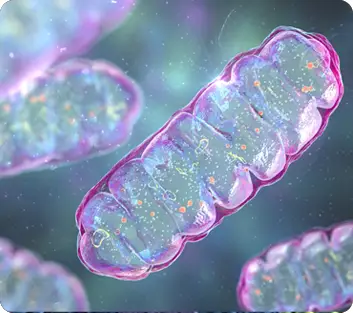
Mitochondria are the powerhouses of the cell. Located in the cytoplasm of the cells, mitochondria generate energy via the synthesis of Adenosine Tri Phosphate (ATP). The density of the mitochondria in a cell may vary with each different organ type. Mitochondria are exceedingly dynamic and are stimulated by physiological stimuli.

They form approximately 40% of the cell cytoplasm and are considered the life line of the cell. Their proper function is critical for good health and longevity. If their functional ability is hindered then they are considered dysfunctional.
Mitochondrial dysfunction has been implicated in numerous disease states. Therefore, it is important to get a gauge on the functionality of the mitochondria with MitoSwab™. Information gathered from MitoSwab™ can lead to therapeutic strategies that target the health of the mitochondria.

Mitochondrial Disease vs Mitochondrial Dysfunction

Primary mitochondria diseases are the result of genetically inherited or spontaneous mutations in mitochondrial DNA nuclear DNA which lead to altered functions of the proteins or RNA (ribonucleic acid) molecules that normally reside in mitochondria. This results in a chronic disorder characterized by the inability of the mitochondria to produce enough energy for proper cell or organ function.

Secondary mitochondrial disease is always related to another disorder or illness which causes mitochondria to malfunction despite the normal formation of mitochondria.

Mitochondrial dysfunction can occur as a result of other diseases, environmental toxins, and drugs. This generally leads to reduced ATP production and oxidative stress. Some of the disease states where mitochondrial dysfunction has been well studied are:

Nervous System
Nervous System
Autism, Dementia, developmental delays, seizures, neuropsychiatric disease, migraine, mental retardation, neuropathic pain, absent reflexes, weakness, dysautonomia, temperature instability.
Muscle
Muscle
Weakness, hypotonia, irritable bowel syndrome, gastroesophageal reflux disease, dysmotility, diarrhea and constipation.
Eyes
Eyes
Visual loss, optic atrophy, ptosis, deafness, acquired strabismus, ophthalmoplegia, retinitis pigmentosa.
Heart
Heart
Cardiomyopathy, cardiac conduction defects.
Ears
Ears
Hearing loss
Systemic
Systemic
Chronic Fatigue, short stature, failure to gain weight.
Endocrine system
Endocrine system
Type II diabetes, parathyroid failure.
Liver
Liver
Liver failure
Kidney
Kidney
Renal tubular acidosis

Mitochondrial Dysfunction in Disease

Mitochondrial dysfunction can occur as a result of genetic defects or as a result of other diseases, toxins, and drugs. This will lead to reduced ATP production and oxidative stress. Some of the disease states where mitochondrial dysfunction has been well studied are Autism, Alzheimer’s, Parkinson's, mental retardation, obesity, and stroke.

Mitochondria are the powerhouses of the cell.

Located in the cytoplasm of the cells, mitochondria generate energy via the synthesis of Adenosine Tri Phosphate (ATP). The density of the mitochondria in a cell may vary with each different organ type based on the energy needs.

Request a Test Kit
We provide MitoSwab™ sample collection kits for your convenience.
Please note that ONLY a medical professional may prescribe MitoSwab™.
Consult your physician before requesting a MitoSwab™ kit.
Request a Test Kit